Past Events
133 S. 36th Street, Auditorium (Basement)
In-person event. Food provided. Please register here.

AHEAD OF THE MAY 16 PHILADELPHIA PRIMARY ELECTION, this is a great opportunity for members of the Penn community to listen to and question candidates running for mayor: on the Democratic side, confirmed participants are Warren Bloom, Amen Brown, Allan Domb, Jimmy DeLeon, and Rebecca Rhynhart; plus, on the Republican side, David Oh. Topics of discussion include policies related to healthcare, education, criminal justice, environment, and the economy. Sponsored by the Mitchell Center, the Penn Government and Politics Association, Penn Dems, and Fels Institute of Government organizations "Women of Fels" and "Inter-City Management Organization."
CO-SPONSORED - Penn 2023 Philadelphia Mayoral Candidate Forum
133 S. 36th Street, Auditorium (Basement)
In-person event. Food provided. Please register here.
AHEAD OF THE MAY 16 PHILADELPHIA PRIMARY ELECTION, this is a great opportunity for members of the Penn community to listen to and question candidates running for mayor: on the Democratic side, confirmed participants are Warren Bloom, Amen Brown, Allan Domb, Jimmy DeLeon, and Rebecca Rhynhart; plus, on the Republican side, David Oh. Topics of discussion include policies related to healthcare, education, criminal justice, environment, and the economy. Sponsored by the Mitchell Center, the Penn Government and Politics Association, Penn Dems, and Fels Institute of Government organizations "Women of Fels" and "Inter-City Management Organization."
Digital Democracy: The Estonian Experiment
Perry World House, 3803 Locust Walk.
In-person event.

133 S. 36th Street, Room 250 (The Forum)
Food provided. No registration required.
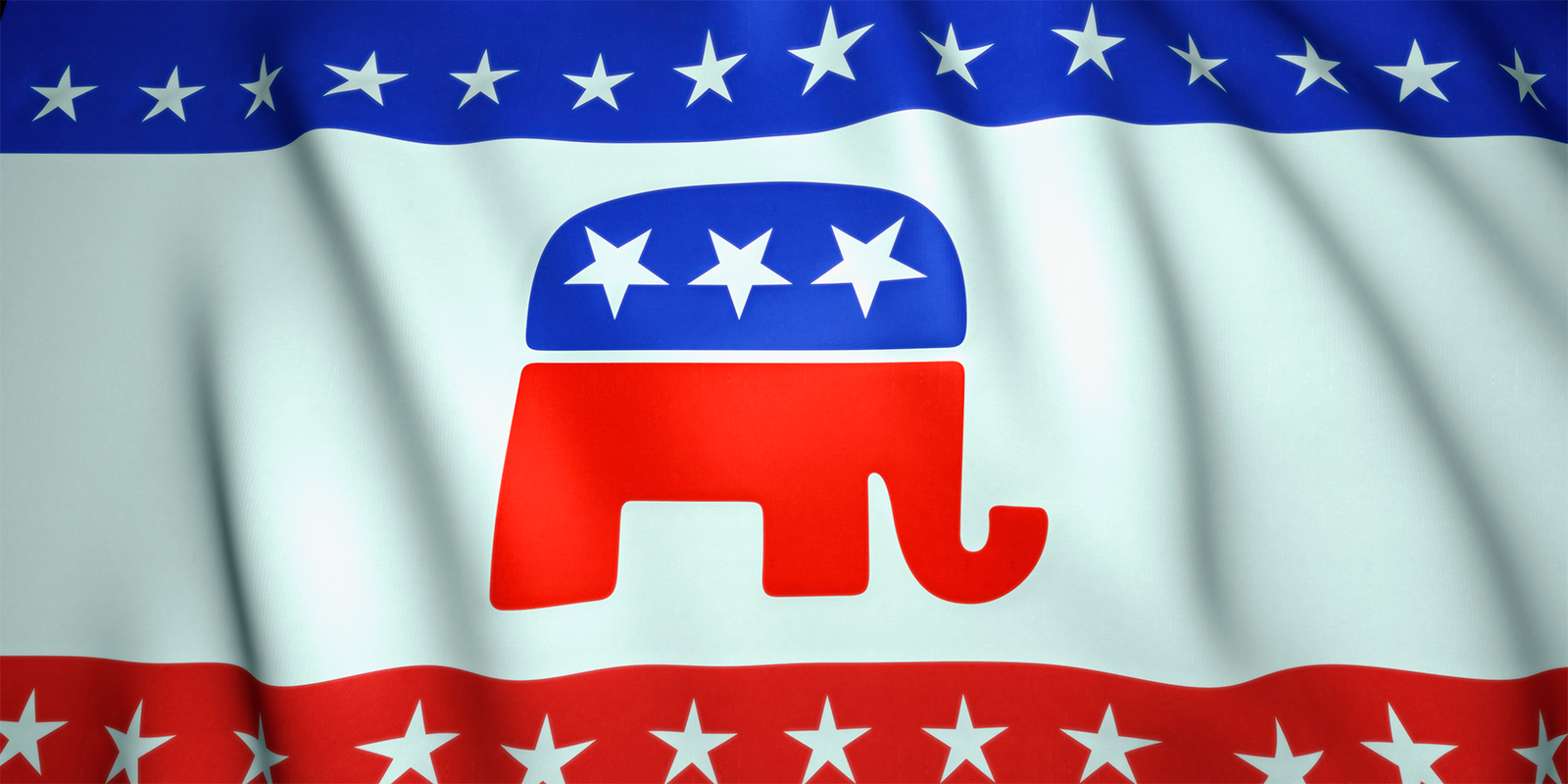
JOIN THE FIVE CAUCUSES OF THE PENN POLITICAL UNION (PPU) for a debate on the resolution, "The Republican Party is the likely winner of the 2024 election cycle."
THE PENN POLITICAL UNION (PPU) is an undergraduate organization formed in 2014 that features parliamentary-style deliberation on urgent contemporary issues. To represent a wide spectrum of political opinion, students affiliate with five member political parties: Libertarian, Conservative, Centrist, Liberal, and Progressive. The goal of PPU, in both debates and less formal discussions, is to fully represent political diversity while maintaining civility and openness to other outlooks.
PPU DEBATE - Will the Republicans Win in 2024?
133 S. 36th Street, Room 250 (The Forum)
Food provided. No registration required.
JOIN THE FIVE CAUCUSES OF THE PENN POLITICAL UNION (PPU) for a debate on the resolution, "The Republican Party is the likely winner of the 2024 election cycle."
THE PENN POLITICAL UNION (PPU) is an undergraduate organization formed in 2014 that features parliamentary-style deliberation on urgent contemporary issues. To represent a wide spectrum of political opinion, students affiliate with five member political parties: Libertarian, Conservative, Centrist, Liberal, and Progressive. The goal of PPU, in both debates and less formal discussions, is to fully represent political diversity while maintaining civility and openness to other outlooks.

Online only. Please register here.
Link and papers sent to registered attendees.
(Embodied) Performance of Resistance on Social Media Platforms
Rabani Garg (GSE, Penn)
SINCE 2008 THERE HAS BEEN AN INCREASE IN THE VISIBILITY OF RESISTANCE against the Indian state from a wider cross section of people in Kashmir and on digital platforms, even as digital sites itself are under heavy control and surveillance by the government. In 2019, two hashtags started trending on social media: #DrawForKashmir and #ArtAsResistance. Kashmiri artists and digital media creators on social media have been using their art to not only voice dissent, resist, build solidarity and mobilize support, but also as a way to reimagine Kashmir (and the Kashmiri subject). RABANI GARG looks at posts and stories shared on a public Instagram account by a politically active youth from Kashmir, whose real identity is hidden from us, to explore how she curates multiple identities by often sharing multimodal content created by others (for e.g., TikTok videos, memes).The social media network allows for this youth to connect with other advocates / digital media creators who are similarly invested in the cause– amplifying each other’s work and collaborating. While most of these public accounts don’t have large number of followers, Garg seeks to understand how these multiple handles come together as a counter public. As these public accounts are at the same time private identities, how do these public and private spheres inform each other? Narratives on social media are complex, as multiple audiences can be a part of a single context and the audience can be across time and space, demanding special methodologies to study these interactions.
When Does Digital Activism Work? Examining Government Responses to Online Petitions in Taiwan
Terrence Chen (Sociology, NYU)
TERRENCE CHEN INVESTIGATES THE IMPACT ON DEMOCRATIC GOVERNANCE by digital technology-driven initiatives that seek to facilitate citizen participation. He uses “open government” initiatives such as online petition platforms in Taiwan as the empirical case, exploring when, under what circumstances, citizens can influence the government’s policymaking process through these newly created channels. Chen draws on several data sources: interviews with government officials and civil society actors who are engaged in open government initiatives, participant observation of open government events and meetings, and statistical analysis. His research contributes to the literature around digital technology and state governance, as well as the discussions about “deepening democracy.”
GRAD WORKSHOP - Technologies and Democracies: Transforming Citizenship and Participation
Online only. Please register here.
Link and papers sent to registered attendees.
(Embodied) Performance of Resistance on Social Media Platforms
Rabani Garg (GSE, Penn)
SINCE 2008 THERE HAS BEEN AN INCREASE IN THE VISIBILITY OF RESISTANCE against the Indian state from a wider cross section of people in Kashmir and on digital platforms, even as digital sites itself are under heavy control and surveillance by the government. In 2019, two hashtags started trending on social media: #DrawForKashmir and #ArtAsResistance. Kashmiri artists and digital media creators on social media have been using their art to not only voice dissent, resist, build solidarity and mobilize support, but also as a way to reimagine Kashmir (and the Kashmiri subject). RABANI GARG looks at posts and stories shared on a public Instagram account by a politically active youth from Kashmir, whose real identity is hidden from us, to explore how she curates multiple identities by often sharing multimodal content created by others (for e.g., TikTok videos, memes).The social media network allows for this youth to connect with other advocates / digital media creators who are similarly invested in the cause– amplifying each other’s work and collaborating. While most of these public accounts don’t have large number of followers, Garg seeks to understand how these multiple handles come together as a counter public. As these public accounts are at the same time private identities, how do these public and private spheres inform each other? Narratives on social media are complex, as multiple audiences can be a part of a single context and the audience can be across time and space, demanding special methodologies to study these interactions.
When Does Digital Activism Work? Examining Government Responses to Online Petitions in Taiwan
Terrence Chen (Sociology, NYU)
TERRENCE CHEN INVESTIGATES THE IMPACT ON DEMOCRATIC GOVERNANCE by digital technology-driven initiatives that seek to facilitate citizen participation. He uses “open government” initiatives such as online petition platforms in Taiwan as the empirical case, exploring when, under what circumstances, citizens can influence the government’s policymaking process through these newly created channels. Chen draws on several data sources: interviews with government officials and civil society actors who are engaged in open government initiatives, participant observation of open government events and meetings, and statistical analysis. His research contributes to the literature around digital technology and state governance, as well as the discussions about “deepening democracy.”
133 S. 36th Street, Room 250 (The Forum)
In-person, participatory event. Food provided.
Please register here.
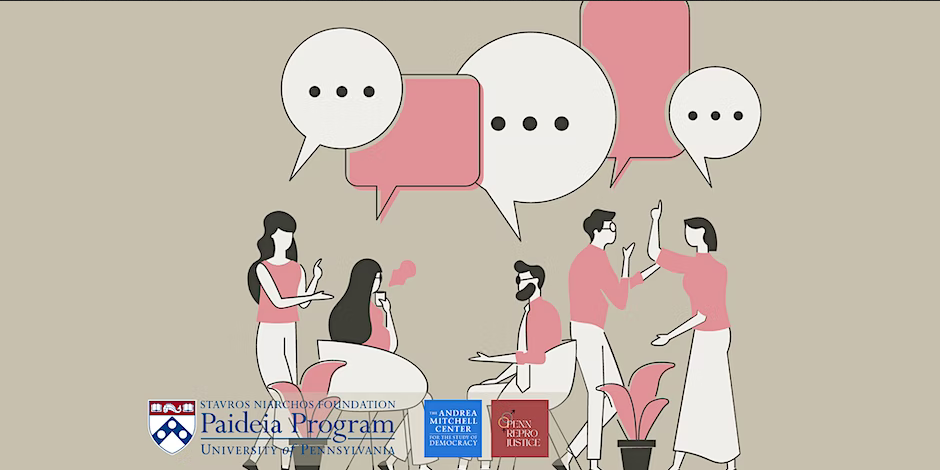
THIS WORKSHOP WILL FOCUS ON best practices for engaging in conversation about abortion with peers and loved ones. All political leanings, lived experiences, and identities are welcome! No one will be required to share their beliefs or experiences related to abortion at any time. The purpose of the workshop is to encourage self-reflection and practice skills that are applicable for each person’s individual needs and goals. This event is sponsored by the Mitchell Center, the SNF Paideia Program, Penn Reproductive Justice, and Penn Social Equity and Community.
CO-SPONSORED - Compassionate Conversations: Building Skills for Dialogue around Abortion
133 S. 36th Street, Room 250 (The Forum)
In-person, participatory event. Food provided.
Please register here.
THIS WORKSHOP WILL FOCUS ON best practices for engaging in conversation about abortion with peers and loved ones. All political leanings, lived experiences, and identities are welcome! No one will be required to share their beliefs or experiences related to abortion at any time. The purpose of the workshop is to encourage self-reflection and practice skills that are applicable for each person’s individual needs and goals. This event is sponsored by the Mitchell Center, the SNF Paideia Program, Penn Reproductive Justice, and Penn Social Equity and Community.
