Past Events
Urban Tech After COVID: Data and Power in City Life
Perry World House, 3803 Locust Walk

Hybrid: In-person and online. Please register here.
Zoom link and paper link sent to registered attendees.
Targeting the Monumental: Race and the Democratic Aesthetics of Memory Activism

Matt Frierdich (Politics, UVA)
THE RECENT WAVE OF DECOMMEMORATIONS OF PUBLIC FIGURES connected with slavery, colonialism, and otherwise “difficult pasts,” such as Richmond’s Monument Avenue or New York’s American Museum of Natural History, raises questions about how contemporary challenges to “forgotten pasts” might dislodge long-standing impediments to democratic inclusion. But this does not give an adequate account of an essential set of illustrations used by those demanding removal: the portrayal of institutions – like racialized violence enforced through policing, housing policy, or education – as monumental. To emphasize the significance of establishing larger struggles against racial hierarchy and dispossession as monumental, MATT FRIERDICH centers the voices, protests, and materials produced by activists in two interrelated movements, Take ‘Em Down New Orleans and #RhodesMustFall in South Africa. Rather than treating these as “originary” movements for a decommemorative turn in memory activism, the paper explores how these particular Black-led movements deployed monument removal as a visual language for centering their recollections of Black resistance to hegemonic violence.
GRAD WORKSHOP - Targeting the Monumental: Race and the Democratic Aesthetics of Memory Activism
Hybrid: In-person and online. Please register here.
Zoom link and paper link sent to registered attendees.
Targeting the Monumental: Race and the Democratic Aesthetics of Memory Activism
Matt Frierdich (Politics, UVA)
THE RECENT WAVE OF DECOMMEMORATIONS OF PUBLIC FIGURES connected with slavery, colonialism, and otherwise “difficult pasts,” such as Richmond’s Monument Avenue or New York’s American Museum of Natural History, raises questions about how contemporary challenges to “forgotten pasts” might dislodge long-standing impediments to democratic inclusion. But this does not give an adequate account of an essential set of illustrations used by those demanding removal: the portrayal of institutions – like racialized violence enforced through policing, housing policy, or education – as monumental. To emphasize the significance of establishing larger struggles against racial hierarchy and dispossession as monumental, MATT FRIERDICH centers the voices, protests, and materials produced by activists in two interrelated movements, Take ‘Em Down New Orleans and #RhodesMustFall in South Africa. Rather than treating these as “originary” movements for a decommemorative turn in memory activism, the paper explores how these particular Black-led movements deployed monument removal as a visual language for centering their recollections of Black resistance to hegemonic violence.
133 S. 36th Street, Room 250 (The Forum)
Perelman Center for Political Science and Economics
Food provided
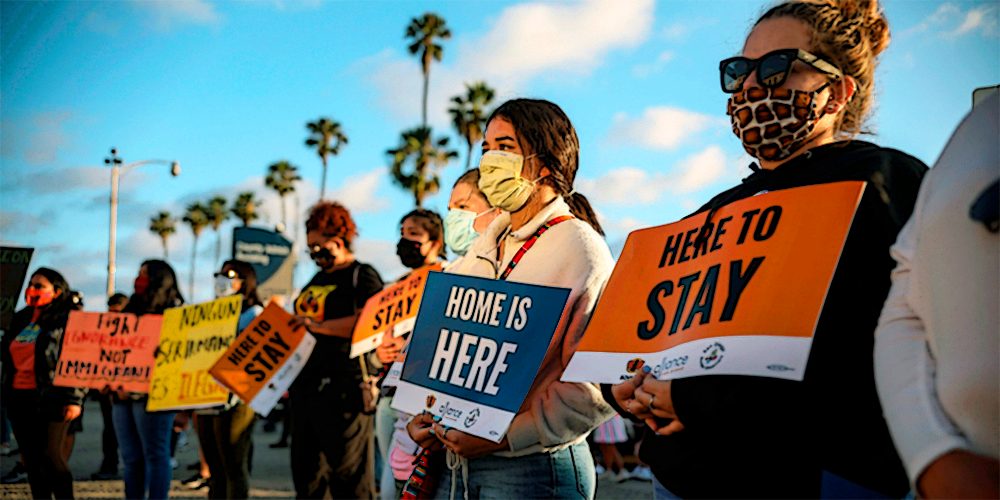
Join the five caucuses of the Penn Political Union (PPU) for a debate on the resolution, "American sanctuary cities should continue to exist."
The PPU is unique among debating societies in encouraging participants to make heartfelt cases for policies they believe in to a politically diverse group of fellow students. Members can join one of five caucuses that span the political spectrum: Progressive, Liberal, Centrist, Conservative, and Libertarian. They can then take active roles in formal debates on important policy problems. At a time of political polarization and social-media bubbles, it is an opportunity to hone and challenge one’s own opinions, as well as make friendships “across the aisle” and cultivate the practices of civil discourse.
PPU DEBATE - Should American Sanctuary Cities Continue to Exist?
133 S. 36th Street, Room 250 (The Forum)
Perelman Center for Political Science and Economics
Food provided
Join the five caucuses of the Penn Political Union (PPU) for a debate on the resolution, "American sanctuary cities should continue to exist."
The PPU is unique among debating societies in encouraging participants to make heartfelt cases for policies they believe in to a politically diverse group of fellow students. Members can join one of five caucuses that span the political spectrum: Progressive, Liberal, Centrist, Conservative, and Libertarian. They can then take active roles in formal debates on important policy problems. At a time of political polarization and social-media bubbles, it is an opportunity to hone and challenge one’s own opinions, as well as make friendships “across the aisle” and cultivate the practices of civil discourse.

Ross Douthat: From Reaganism to Trumpism: How Conservatives Decided It Was Evening in America
Politics on the Edge
Perelman Center for Political Science and Economics
133 South 36th Street, Basement Auditorium

Rethinking Big Tech: Toward a More Democratic Internet
Perry World House, 3803 Locust Walk
