Past Events
133 S. 36th Street, Room 350
Ronald O. Perelman Center for Political Science and Economics
Fatih Umit Cetin (UMass Amherst Dept. of Political Science)
Racial Enfranchisement as a Distinct Act of Democratization: Comparative Historical Analysis of The United States, Germany, and Austria
Zachary Smith (Penn Political Science)
“How Treacherous the Gift”: Settler Motivations for Self-Government in Natal, the Cape Colony, and Palestine
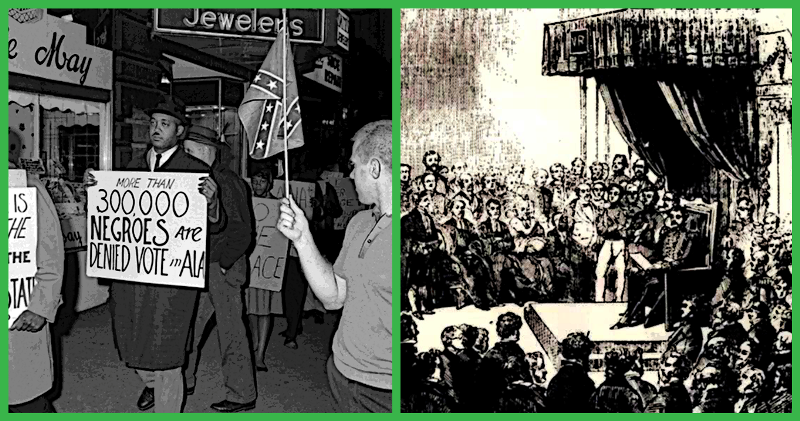
WHY DO ELITES AGREE TO GIVE POWER TO EXCLUDED GROUPS that could shift the balance of power between different groups in society and political life? What informs their decisions towards this important political change? These are the serious questions and dilemmas that democratization literature has been tackling since its emergence as an organized body of work. Various explanations have been developed to provide answers to these questions in the context of workingclass enfranchisement and women’s suffrage, but none of our theories can explain this with regards to the suffrage extension to racialized minorities. In his paper, FATIH UMIT CETIN seeks to address this blind spot in democratization literature by tackling this question: Why did the United States and Germany extend the franchise to racialized minorities in the 1960s and 1990s, whereas Austria retained policies that disenfranchised these groups? Cetin argues that enfranchisement requires both the rise of a counter-hegemonic elite that embraces an expanded vision of peoplehood and, critically, their achievement of power within key political institutions.
HISTORICALLY, SETTLER-COLONIES WERE OFTEN DEEPLY DIVIDED PLACES where class and race inequality overlapped and reinforced one another. Why then did settlers press for elected representative bodies—institutions that, in their own words, were sites of equality, freedom, and self-government—given such inequalities? Certainly, arguments about the natural rights of citizens were an important part of how settlers discursively made their case to their imperial rulers. ZACHARY SMITH argues, however, that the primary motivation settlers had in attempting to form elected representative institutions was an economic one: the protection and accumulation of property and wealth, as well as guaranteed access to cheap labor. Smith explores the importance of land to settler institutional formation in Natal, drawing on debates over what to do with the so-called “native locations.” In the Cape Colony, he demonstrates the centrality of labor to the formation and functioning of the Cape Parliament, using petitions and debates over a new labor code. And to explicate the crucial role of state-building, he delves into the struggle the Zionist movement faced in gaining taxation powers in early modern Palestine.
GRAD WORKSHOP (ONLINE) - Enfranchisement and Exclusion: Race, Settler-Colonialism, and Representative Politics
133 S. 36th Street, Room 350
Ronald O. Perelman Center for Political Science and Economics
Fatih Umit Cetin (UMass Amherst Dept. of Political Science)
Racial Enfranchisement as a Distinct Act of Democratization: Comparative Historical Analysis of The United States, Germany, and Austria
Zachary Smith (Penn Political Science)
“How Treacherous the Gift”: Settler Motivations for Self-Government in Natal, the Cape Colony, and Palestine
WHY DO ELITES AGREE TO GIVE POWER TO EXCLUDED GROUPS that could shift the balance of power between different groups in society and political life? What informs their decisions towards this important political change? These are the serious questions and dilemmas that democratization literature has been tackling since its emergence as an organized body of work. Various explanations have been developed to provide answers to these questions in the context of workingclass enfranchisement and women’s suffrage, but none of our theories can explain this with regards to the suffrage extension to racialized minorities. In his paper, FATIH UMIT CETIN seeks to address this blind spot in democratization literature by tackling this question: Why did the United States and Germany extend the franchise to racialized minorities in the 1960s and 1990s, whereas Austria retained policies that disenfranchised these groups? Cetin argues that enfranchisement requires both the rise of a counter-hegemonic elite that embraces an expanded vision of peoplehood and, critically, their achievement of power within key political institutions.
HISTORICALLY, SETTLER-COLONIES WERE OFTEN DEEPLY DIVIDED PLACES where class and race inequality overlapped and reinforced one another. Why then did settlers press for elected representative bodies—institutions that, in their own words, were sites of equality, freedom, and self-government—given such inequalities? Certainly, arguments about the natural rights of citizens were an important part of how settlers discursively made their case to their imperial rulers. ZACHARY SMITH argues, however, that the primary motivation settlers had in attempting to form elected representative institutions was an economic one: the protection and accumulation of property and wealth, as well as guaranteed access to cheap labor. Smith explores the importance of land to settler institutional formation in Natal, drawing on debates over what to do with the so-called “native locations.” In the Cape Colony, he demonstrates the centrality of labor to the formation and functioning of the Cape Parliament, using petitions and debates over a new labor code. And to explicate the crucial role of state-building, he delves into the struggle the Zionist movement faced in gaining taxation powers in early modern Palestine.

Forum (Room 250), Ronald O. Perelman Center for Political Science and Economics
Map / Accessibility / Refreshments Provided

KIMBERLY NOBLE is a neuroscientist and board-certified pediatrician, and director of the Neurocognition, Early Experience and Development (NEED) lab. She and her team study how socioeconomic inequality relates to in children's cognitive and brain development. Her work examines socioeconomic disparities in cognitive development, as well as brain structure and function, across infancy, childhood and adolescence. She is particularly interested in understanding how early in infancy or toddlerhood such disparities develop; the modifiable environmental differences that account for these disparities; and the ways we might harness this research to inform the design of interventions. Along with a multidisciplinary team from around the country, with funding from NIH and a consortium of foundations, she is currently leading the first clinical trial of poverty reduction to assess the causal impact of income on children’s cognitive, emotional and brain development in the first three years of life.
Reverberations of Inequality - KIMBERLY NOBLE
Forum (Room 250), Ronald O. Perelman Center for Political Science and Economics
Map / Accessibility / Refreshments Provided
KIMBERLY NOBLE is a neuroscientist and board-certified pediatrician, and director of the Neurocognition, Early Experience and Development (NEED) lab. She and her team study how socioeconomic inequality relates to in children's cognitive and brain development. Her work examines socioeconomic disparities in cognitive development, as well as brain structure and function, across infancy, childhood and adolescence. She is particularly interested in understanding how early in infancy or toddlerhood such disparities develop; the modifiable environmental differences that account for these disparities; and the ways we might harness this research to inform the design of interventions. Along with a multidisciplinary team from around the country, with funding from NIH and a consortium of foundations, she is currently leading the first clinical trial of poverty reduction to assess the causal impact of income on children’s cognitive, emotional and brain development in the first three years of life.

Jasmine Blanks Jones (Penn Africana Studies)
Public Performance as Global Citizenship Education: You Will Know What You’re Getting by How It Comes Up
Ian Gavigan (Rutgers Dept. of History)
Municipal Socialists Against the New Deal: Struggles Over the City, 1927-1937
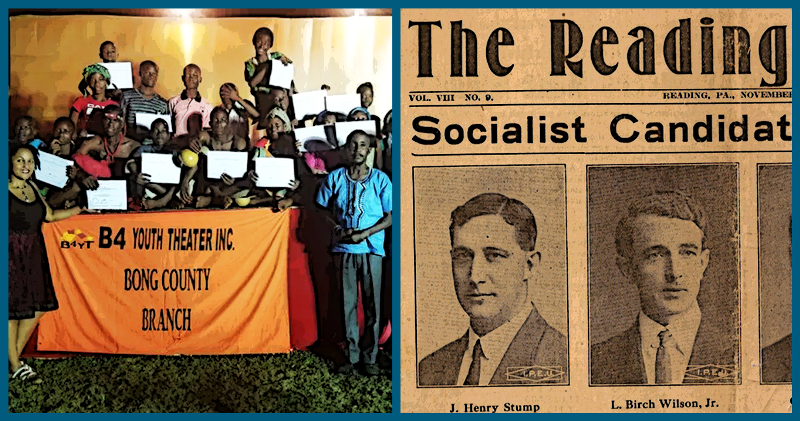
JASMINE BLANKS JONES presents an ethnographic account follows youth visual and performance artists as they grapple with the possibilities and constraints of staging local performances on establishing a war crimes court to understand how they are crafting an identity as global citizens. She juxtaposes a standard workshop model of internationally-supported advocacy efforts involving visual artists in Liberia against a typical planning meeting of a local youth theatre NGO with international funding to consider how the youth artists navigate their interactions with international others in identifying and narrating problems and solutions to injustice in their society. Through participant observation and engagement with their negotiations between international discourses/organizations and national discourses/organizations, Blanks Jones analyzes how they are strategic in avoiding being exploited by either and finding agency in both as an instance of how global citizenship education is actualized in informal international education contexts in the global South. She finds that these strategic navigations can be categorized into staged and everyday performances which build upon the concept of embodied cosmopolitanism as a form of global citizenship education.
During the early years of the Great Depression, the Socialist workers of Reading, Pennsylvania built a formidable movement aligned against capitalism. Organizing and running to “repeal unemployment” and implement Socialist policy, they fused organized labor and grassroots unemployed movements in a successful electoral insurgency. In 1935, Reading’s Socialists swept local elections and built the groundwork for a statewide movement, even as, nationally, the Socialist Party began to dissolve. IAN GAVIGAN explores the social base of this working-class democratic and egalitarian vision, the power these Socialists won, as well as the causes of their unraveling. It considers how the U.S. political structure devolved considerable power to cities, but also municipal governments in thrall to state institutions, facilitated their rise and conditioned their fall. Gavigan argues that attending to such local conflicts between the Democratic-dominated New Deal relief state and a successful Socialist Party calls into question narratives of left-wing incorporation into the New Deal Democratic coalition and recasts the process as one of active conflict, in which the dominant party did not simply absorb but also foreclosed alternative possibilities.
GRAD WORKSHOP - Creating Community: Youth Theater in Liberia and Socialists in Reading, PA
Jasmine Blanks Jones (Penn Africana Studies)
Public Performance as Global Citizenship Education: You Will Know What You’re Getting by How It Comes Up
Ian Gavigan (Rutgers Dept. of History)
Municipal Socialists Against the New Deal: Struggles Over the City, 1927-1937
JASMINE BLANKS JONES presents an ethnographic account follows youth visual and performance artists as they grapple with the possibilities and constraints of staging local performances on establishing a war crimes court to understand how they are crafting an identity as global citizens. She juxtaposes a standard workshop model of internationally-supported advocacy efforts involving visual artists in Liberia against a typical planning meeting of a local youth theatre NGO with international funding to consider how the youth artists navigate their interactions with international others in identifying and narrating problems and solutions to injustice in their society. Through participant observation and engagement with their negotiations between international discourses/organizations and national discourses/organizations, Blanks Jones analyzes how they are strategic in avoiding being exploited by either and finding agency in both as an instance of how global citizenship education is actualized in informal international education contexts in the global South. She finds that these strategic navigations can be categorized into staged and everyday performances which build upon the concept of embodied cosmopolitanism as a form of global citizenship education.
During the early years of the Great Depression, the Socialist workers of Reading, Pennsylvania built a formidable movement aligned against capitalism. Organizing and running to “repeal unemployment” and implement Socialist policy, they fused organized labor and grassroots unemployed movements in a successful electoral insurgency. In 1935, Reading’s Socialists swept local elections and built the groundwork for a statewide movement, even as, nationally, the Socialist Party began to dissolve. IAN GAVIGAN explores the social base of this working-class democratic and egalitarian vision, the power these Socialists won, as well as the causes of their unraveling. It considers how the U.S. political structure devolved considerable power to cities, but also municipal governments in thrall to state institutions, facilitated their rise and conditioned their fall. Gavigan argues that attending to such local conflicts between the Democratic-dominated New Deal relief state and a successful Socialist Party calls into question narratives of left-wing incorporation into the New Deal Democratic coalition and recasts the process as one of active conflict, in which the dominant party did not simply absorb but also foreclosed alternative possibilities.

Race, Class, and Socialism (Asad Haider)
College Hall, Room 209 (History Lounge)
Free and open to the public / LUNCH PROVIDED

Houston Hall, Bodek Lounge
Free and open to the public / Food provided
Co-sponsored by the Pi Sigma Alpha Political Science Honor Society and the Penn Wharton Public Policy Initiative.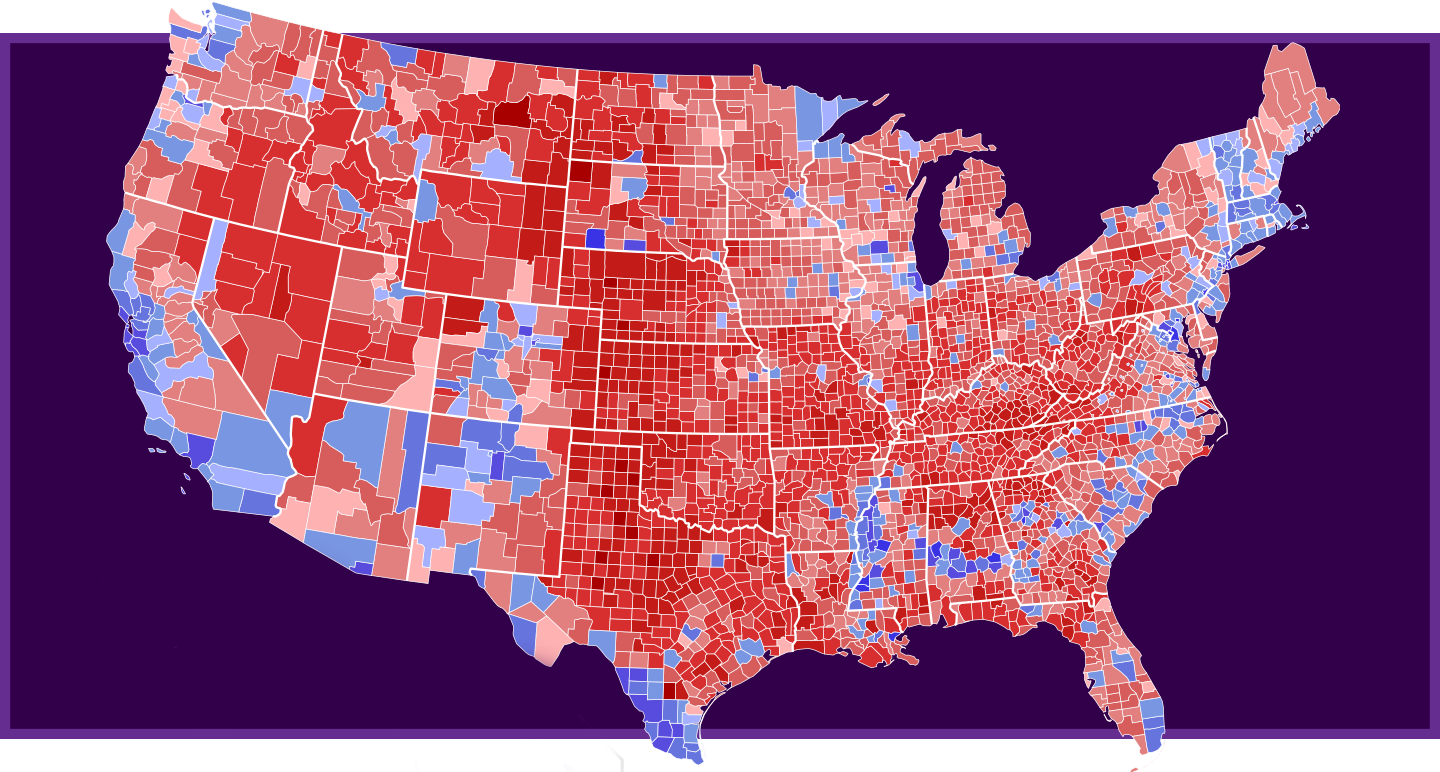
JOIN THE PENN POLITICAL UNION as its five political parties debate the resolution, “The United States Should Abolish the Electoral College.”
PPU DEBATE - Should We Abolish the Electoral College?
Houston Hall, Bodek Lounge
Free and open to the public / Food provided
Co-sponsored by the Pi Sigma Alpha Political Science Honor Society and the Penn Wharton Public Policy Initiative.
JOIN THE PENN POLITICAL UNION as its five political parties debate the resolution, “The United States Should Abolish the Electoral College.”
